
Nile cruise reviews say the same things every year, and this is what they mean for your trip
Nile cruise reviews say the same things every year, and this is what they mean for your trip
Read enough Nile cruise reviews and a pattern appears fast. Almost everyone comes home talking about the temples at first light, the sundeck at sunset, and waking up in a new town every morning without packing a bag. And the complaints repeat too: a tired cabin on an old ship, a buffet that gets boring by day three, early wake-up calls, noise on the docks, tipping, and a view blocked by the ship moored alongside. Very few bad reviews are about the Nile. They are about a poorly chosen ship, a weak guide or the wrong month. So is a Nile cruise worth it? For nearly every first-time visitor, yes. This guide separates the pieces so you board knowing what to expect.
What travelers consistently praise about a Nile cruise
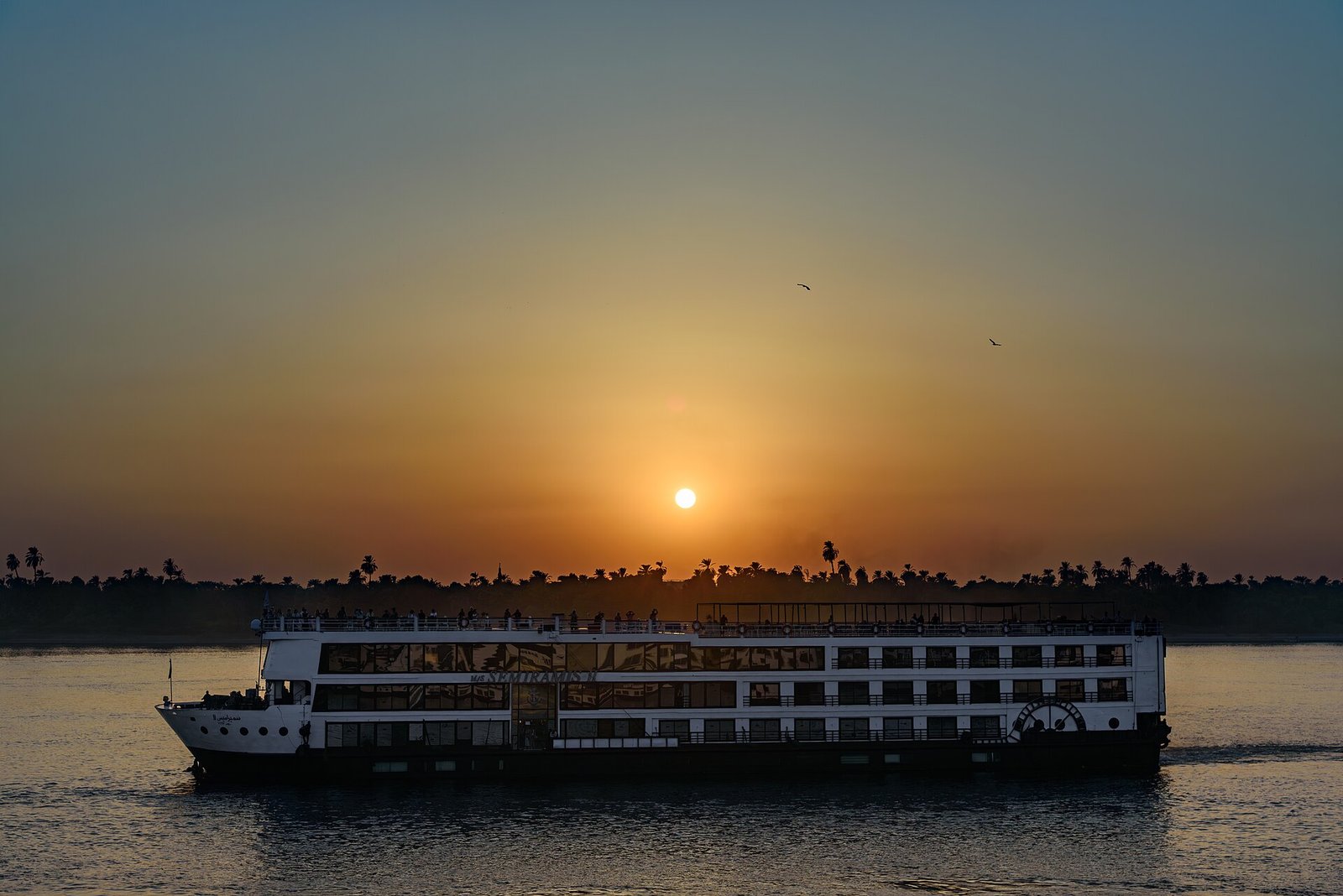
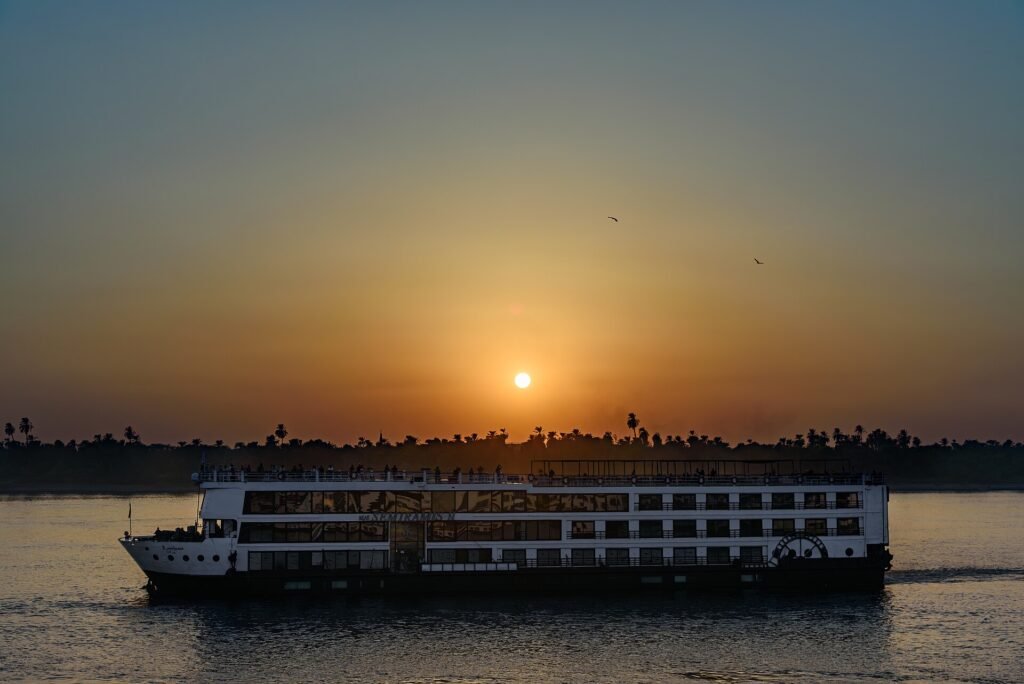
When someone comes back from a Nile cruise between Luxor and Aswan and tells the story, three moments always come up. The first is the temple visit before the heat, walking into Karnak or Edfu while the courtyards are still nearly empty. The second is the top deck in the last hour of daylight, palm groves and mudbrick villages passing at walking pace, the sun dropping behind the western cliffs. The third is quieter: waking up at Kom Ombo or in Aswan and realizing you never touched your suitcase.
That last point is why a cruise beats a road itinerary in most reviews. The ship is your hotel, restaurant and transport at once, and the sailing hours are the only part of an Egypt trip with nothing to do but look.
The other compliment that repeats is the crew. On a well-run ship, the waiters and cabin staff get mentioned more warmly than the ship itself, and a good Egyptologist guide is the name people remember years later.
The complaints that repeat, and what is really behind each one
The negative reviews cluster around six themes, and nearly all of them have an explanation and a fix.
Small cabins on older ships
The most repeated complaint is cabin size and the state of the bathroom. The Nile fleet mixes ships built decades apart, and a hull launched more than twenty years ago with a partial refit has narrow cabins, worn carpet and a weak shower, even though it sells the same five stars as a ship launched last season. Choose a ship by the date of its last full renovation, not by the category on the brochure.
Buffet fatigue
Three or four days of buffet with similar dishes wears on anyone, and critical reviews talk about repetitive food and mild seasoning. Higher-end ships offer an a la carte dinner at least once and an Egyptian night with local dishes.
Early mornings
Visits start early because of the heat and the ship's schedule, and the Luxor west bank often begins before breakfast. People who expected to sleep in complain. People who were warned are grateful to be inside the Valley of the Kings before the sun and the tour buses.
The chaos on the docks
Stepping off the gangway at Edfu or Kom Ombo means vendors, carriage drivers and a lot of noise, and it is the same for every ship. A good guide handles it with a firm no thank you and a clear path to the vehicle. A weak guide leaves the group to fend for itself, and the review says mobbed.
Tipping
Many negative reviews come from not understanding how tipping in Egypt works. On a cruise you tip the crew as a group at the end, the guide separately, and whoever helps you on the dock. If nobody explains this on day one, it feels like a series of outstretched hands. Explained at the start, it is a normal gesture with no tension attached.
Ships moored side by side
In Luxor and Aswan, ships tie up in rafts of three, four or five, and you reach yours through the lobbies of the others. A river-view cabin can spend two nights looking at the next ship's hull. It is not a scam, it is how the port works. The real views happen while sailing, from the sundeck.
How to read online Nile cruise reviews: ship, guide, season or route
A typical cruise review mixes the ship, the guide, the selling agency and that week's weather into one paragraph. Pull the four apart and ask who each complaint belongs to.
| What the review says | Who it belongs to | What it tells you |
|---|---|---|
| Tiny cabin, old bathroom, musty smell | The ship | Change the ship, not the route or the agency |
| Repetitive food, little variety | The ship | Look for an a la carte night and an Egyptian dinner |
| Short explanations, group left alone on the dock | The guide | Ask who the guide will be and how many people they lead |
| Forty people in the group, waiting at every temple | The agency that pools travelers | Ask for a small group or a private guide |
| Unbearable heat, exhausting visits | The season | Compare dates, not ships |
| Hardly any sailing, ship parked all day | The route and the Esna lock | Read the itinerary hour by hour |
A few more filters that make reviews useful:
- The date of the review. Ships get refitted and change management. A five-year-old comment about worn cabins may describe a ship that no longer exists.
- The month of travel. A complaint about heat in August and one about morning fog in January describe the Nile, not the ship. Read reviews from the month you are traveling and set the rest aside. Summer afternoons in Luxor and Aswan pass 104 F (40 C), and that is the season behind most exhaustion complaints.
- What the reviewer compares it to. Someone coming off a Caribbean cruise expects a big pool and shows. Someone who understands this is a floating hotel for visiting temples comes home happy.
Standard five-star, deluxe or dahabiya: the difference that explains most reviews
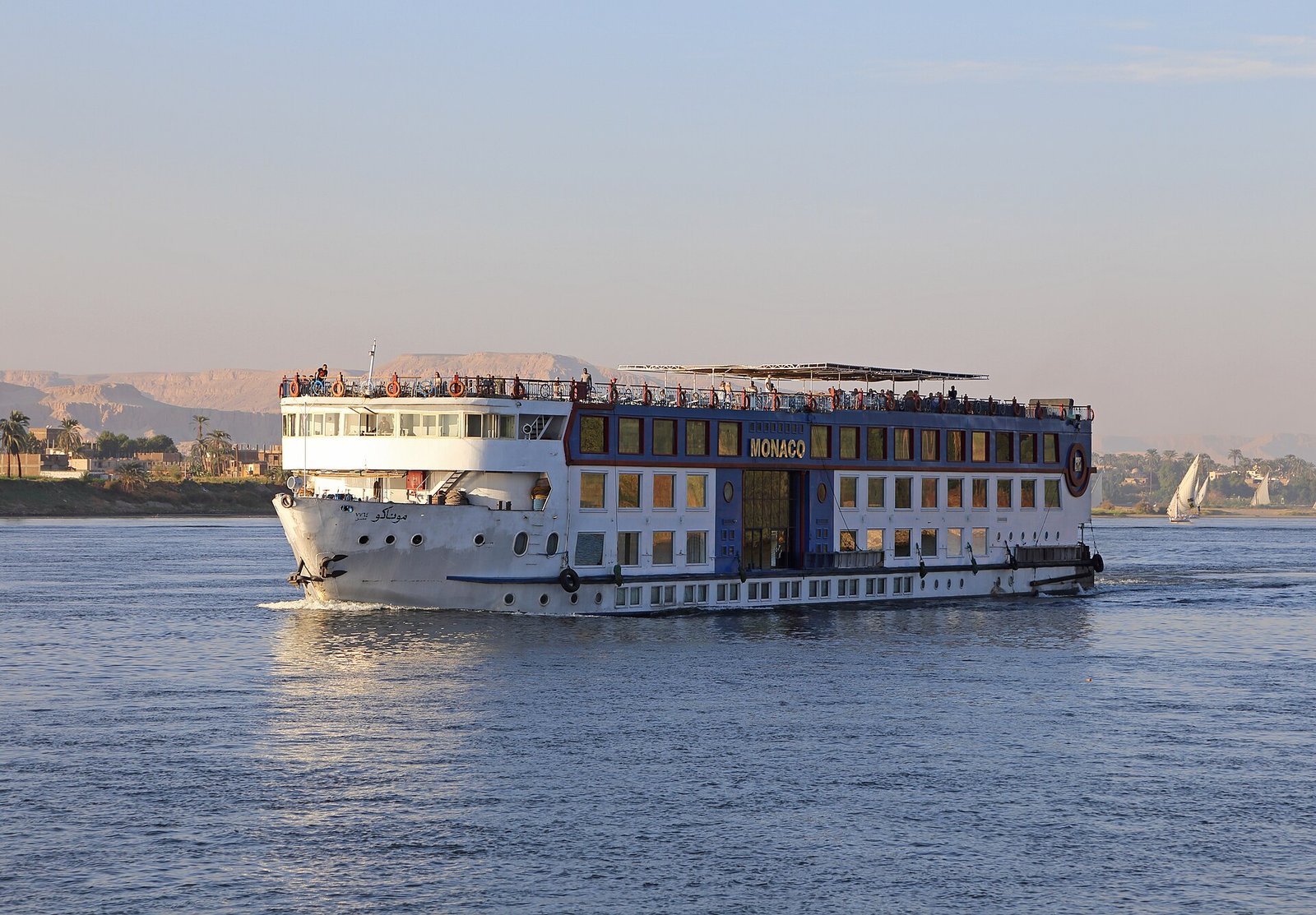
Five-star is used on the Nile with great generosity, which is why two people describe opposite trips under the same category. There are three families of vessel, and almost every review makes sense once you know which one the writer was on. The full comparison is in the guide to Nile cruise boats and how to choose one.
| Type | What it is | What people like | What people complain about |
|---|---|---|---|
| Standard five-star | Large ship with several decks, many cabins, buffet dining, a small pool on top | Good value for what is offered, lively atmosphere, large crew | Compact cabins, repetitive food, crowded excursions when the ship is full |
| Deluxe or luxury | Newer or fully refitted ship, fewer cabins, larger cabins, some a la carte dining | Space, modern bathrooms, attentive service, smaller groups on shore | Same program as the standard ships and the same docks with rafted moorings |
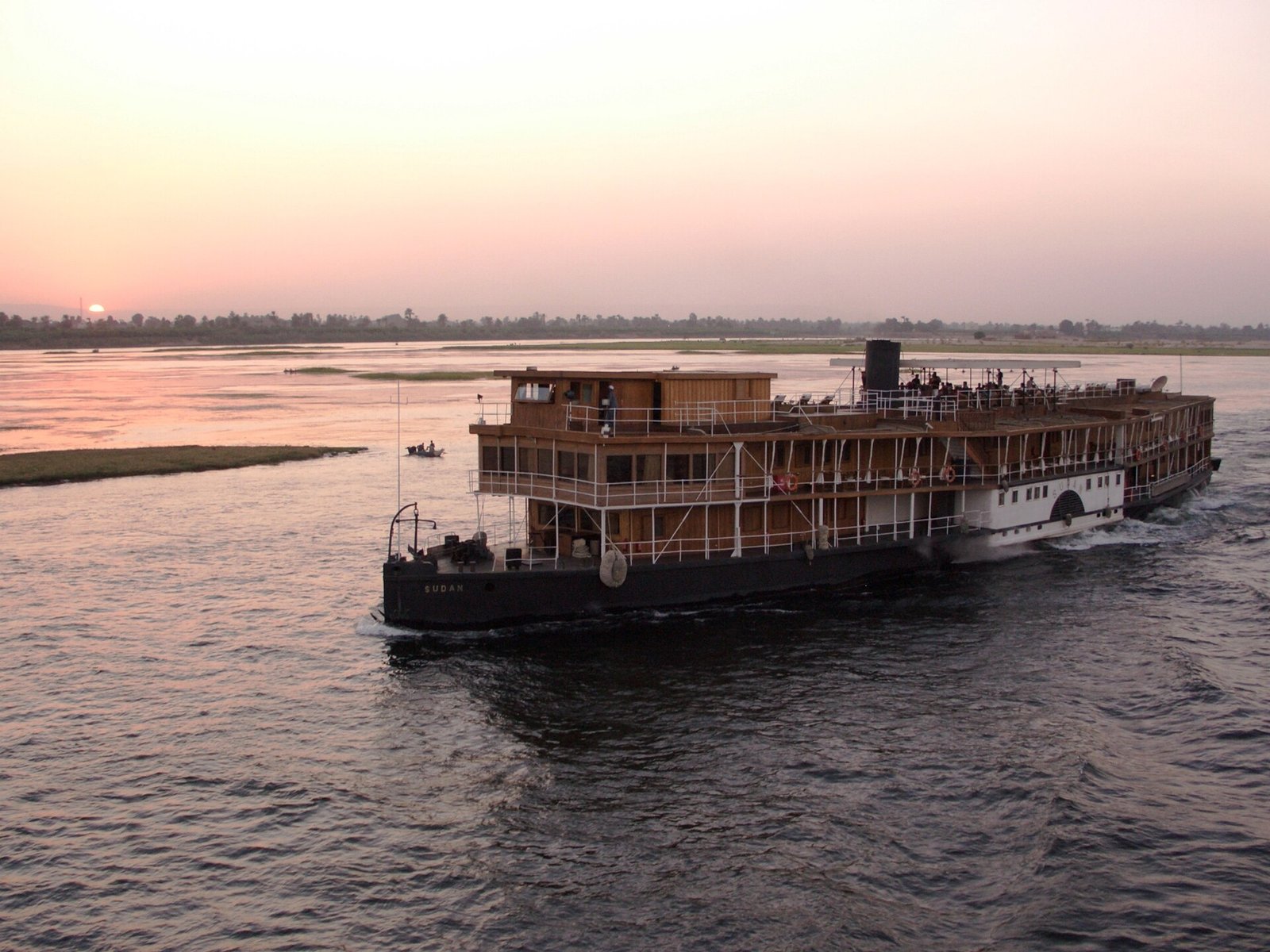
| Dahabiya | Traditional sailing boat with a handful of cabins, sails or is towed, no loud engine, stops at villages and islands | Silence, stops the big ships cannot make, the feeling of traveling in another century | No pool or elevator, slower pace, fewer services on board |
When you read that the ship was noisy at night, that there was no elevator, or that the group was enormous, it is almost always a standard ship sailing full in high season. When you read that the trip was the most peaceful week of someone's life, that they moored alone off an island and ate dinner on the riverbank, it is a dahabiya on the Nile, and no large ship offers that however many stars it adds. A luxury Nile cruise sits between the two: modern hotel comfort on the same itinerary as everyone else.
Three nights or four nights: the question that divides reviews
Length is the second great divider. The classic program comes in two versions: four nights from Luxor down to Aswan, and three nights from Aswan up to Luxor. They visit nearly the same sites but feel different, and the guide to Luxor to Aswan versus Aswan to Luxor goes through both directions hour by hour.
Travelers who did four nights talk about a relaxed rhythm, a full afternoon of sailing, and Luxor spread over two days. Travelers who did three nights say it flew by and that Luxor was one very intense day. Nobody complains about what they saw. The complaint is always about time.
There are two cases where the shorter program is the right call, and the reviews back this up:
- When the whole Egypt trip is about a week and you need to fit Cairo, the cruise and a couple of Red Sea days. Here the three-night Nile cruise is the one that fits without dropping a temple.
- When the traveler does not enjoy downtime and would rather always be seeing something. For that person, the long sailing afternoon is wasted.
For everyone else, and especially on a first visit, four nights is the version that sends people home happiest. A third path from the best reviews: sleep one extra night in Luxor before or after the cruise and see the west bank without a clock running.
What nobody tells you before you board
A handful of details never make it into brochures, and they explain a lot of puzzled reviews. None is a problem if you know in advance.
- The ship spends more time moored than moving. On a four-night cruise, actual sailing adds up to a few hours across two or three stretches. The rest of the time it is tied up while you visit. Anyone who imagined cruising upriver all day is disappointed.
- The Esna lock sets the schedule. Every ship passes through it and the queue reshuffles timings. You may sail in the small hours or a visit may move earlier. The guide announces it the night before.
- The pool is symbolic, and so is the wifi. The pool is a plunge tank for cooling off, not for laps. The wifi works at the dock and disappears while sailing.
- The optional excursions. On many ships the sound and light show, the Nubian village and the Luxor balloon are sold on board. Know what your program includes so it does not feel like a constant upsell.
- Drinks are separate. Unless your program is all inclusive, water, sodas and wine are charged on board and settled on the last day, the most common surprise on the final bill.
And one detail almost nobody mentions: the best cabin is not always on the top deck. On some ships the upper cabins sit under the sundeck bar and the middle deck is the quietest. Ask for the deck plan.
How Explora Egipto picks ships and guides
As a local agency, Explora Egipto does not own a ship, so we can change vessels with the season, the real condition of each hull and the profile of the traveler, instead of filling our own cabins.
For the ship
- Date of the last full renovation, not the category on the brochure. A ship refitted top to bottom a few years ago ranks ahead of a bigger, older one.
- The state of the bathroom and the cabin window. These carry the most weight in negative reviews, so we check them in person.
- An a la carte restaurant or an Egyptian dinner at least one night, to break the buffet cycle.
- Real occupancy that week. A half-full ship in shoulder season is far calmer than the same ship packed over the holidays.
- For travelers who want quiet, a dahabiya or a luxury ship with few cabins, with a plain explanation of what you gain and what you give up.
For the guide
The guide swings a review more than anything else, more than the ship. Explora Egipto works with English-speaking Egyptologist guides, graduates in their field, who stay with the group for the whole cruise and not only on shore. The test is simple: explain clearly, manage the dock without stress, respect free time, and never turn a stop into a shopping visit. We ask for a small group whenever the dates allow, because an excellent guide with forty people behind them stops being excellent. The full method for weighing one ship against another is in the guide on how to choose a Nile cruise.
Questions to ask before you book a Nile cruise
The difference between a good review and a bad one is usually decided before booking, in the questions asked or left unasked. These tell you the most.
- Which exact ship is it, and when was its last full renovation? If the answer is a similar five-star, that is no answer.
- How many cabins does it have and which deck is mine on? This tells you the size of the ship and keeps you away from the cabin under the bar.
- Does the guide stay on board for the whole cruise or join at each stop? A guide who lives the cruise with you answers questions, adjusts timings and explains tipping.
- How many people are in the group on the visits? This is the question that would prevent more negative reviews than any other.
- Which visits are included and which are sold on board? Ask for the full list: temples, the west bank, Philae, and Abu Simbel if you want it.
- How many hours of actual sailing are in the itinerary, and where? So you do not expect a full day on the river.
- What happens if the ship changes? It happens through maintenance or occupancy. The right answer is a ship of equal or higher category, confirmed in writing.
With those seven answers in front of you, reviews stop being a mystery. You will know which ship, guide and month every reviewer was describing, and you can decide which of those trips is yours.
Frequently asked questions
Is a Nile cruise worth it, or is it better to do Luxor and Aswan by road?
For the great majority of travelers, it is worth it. You visit the same temples you would by road, but you sleep in the same bed every night, skip the long transfers, and get the sailing afternoons as a break. Going by road makes sense for people who want to choose their own hotel in each city or cannot stand a fixed program. The most enthusiastic Egypt reviews almost always include the cruise.
Why are reviews of the same ship so different?
Because in practice they did not take the same trip. The season, the occupancy, the guide who led the group, the condition of the cabin they were assigned and what each person expected all change. A half-full ship in March with an excellent guide and a packed ship over the holidays with a weak one produce opposite reviews of the same hull. Read the date, the month and the context of every review.
Are Nile cruise cabins really that small?
It depends on the ship. On older vessels without a full refit they are narrow and the bathroom shows its age. On recent or renovated ships the cabin compares to a city hotel room, with a large window and a modern bathroom. Suites and dahabiya cabins are another world. The right question before booking is not the category but the name of the ship and the date of its last renovation.
Is it true you cannot see the river from the cabin?
In Luxor and Aswan, often not. Ships moor side by side and your window may face the lobby of the next ship on port nights. While sailing, and at Edfu and Kom Ombo, the view is usually clear. The best views of the Nile are from the sundeck, so count on the cabin for sleeping and the deck for looking.
How much should I tip on a Nile cruise?
The custom is a shared tip for the crew at the end of the cruise, placed in a common envelope the ship distributes, plus a separate tip for the guide and the driver. Amounts and the way they are handed over vary by ship and cruise length, and your guide explains it on the first day. What matters is knowing it exists and having some cash ready, so it never feels like a surprise.
Is it better to start the cruise in Luxor or in Aswan?
Both directions visit the same sites. Starting in Luxor gives you four nights and a more relaxed rhythm, with Luxor spread over two days and a long sailing afternoon. Starting in Aswan gives you three nights and fits a one-week trip. Many reviews mention that seeing Abu Simbel first, from Aswan, and finishing with the Valley of the Kings makes a strong ending. It is a question of time, not quality.
Choose the ship for what you want, not for someone else's rating
Tell us your dates, who is traveling and what worries you after reading the reviews, whether it is the cabin, the food, the group size or the pace. We come back with the ship or dahabiya that fits, with an English-speaking Egyptologist guide, and send you the quote on WhatsApp.